
“Get paid to walk” sounds amazing.
You walk anyway, stay healthy. And somehow, money shows up for doing something you already do. It feels like the perfect side hustle — one of those rare ideas that sounds too good to be true but might actually work.
That’s exactly why walking reward apps exploded in popularity a few years ago.
I was curious too, so I tried several of them, followed the space closely, and watched how things evolved over time. And what I learned is this:
Yes, you can earn something from walking apps — but it’s slow, it’s small, and it’s often very different from what people imagine when they first download them.
This article isn’t here to sell you hype or crush your motivation. It’s here to explain what these apps really do, which ones are legitimate, why most of them end up disappointing people, and what actually works better if your goal is to earn money while staying active.
Why Walking Reward Apps Pay So Little
Most people assume these apps are paying them directly for walking.
They’re not.
What they’re actually doing is this:
- Tracking your activity
- Using that data for research or advertising insights
- Showing you ads, surveys, and offers inside the app
- Then, sharing a very small portion of that revenue with you
So walking itself isn’t the product — you are.
Once you understand that, everything starts to make more sense.
This explains why:
- It can take months to reach even a small payout
- Rewards are usually gift cards instead of cash
- The apps constantly push surveys, games, and ads
- And over time, walking becomes just one of many “tasks” inside the app
That’s not a scam — it’s just the business model.
The app isn’t paying you because you walked. It’s paying you because your walking keeps you inside the ecosystem long enough for them to monetize your attention and data.
Walking Reward Apps That Are Still Legit (But Slow)
These apps won’t make you rich, and they won’t replace real income. But they are legitimate, and if you go in with the right expectations, they can be mildly rewarding.
WinWalk
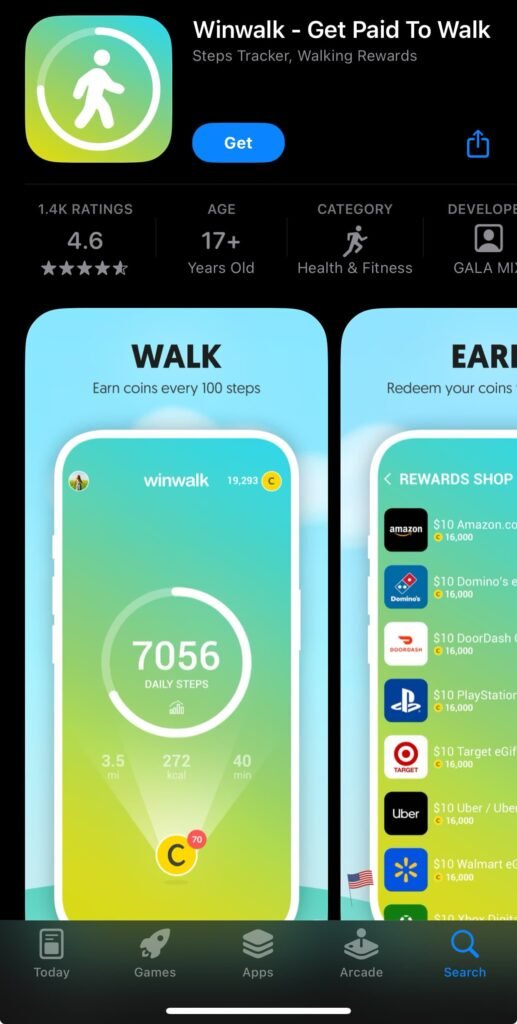
WinWalk tracks your steps and converts them into coins you can redeem for gift cards. The earning rate is slow but steady. If you’re very active, you might earn one or two gift cards per year.
CashWalk
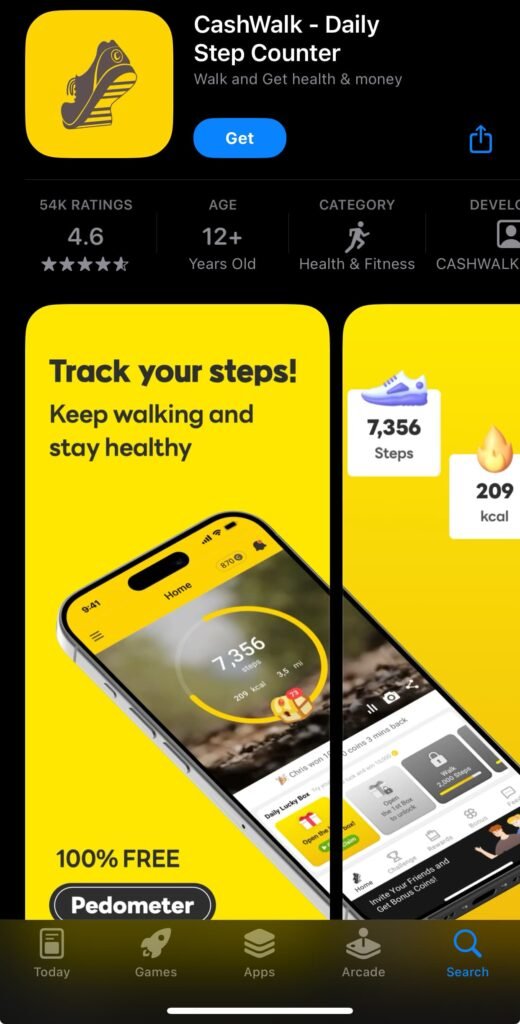
CashWalk is similar, but with slightly lower redemption thresholds. If you’re walking a lot every day, you might reach a payout one or two times per year. Still slow, but a bit faster than most.
Evidation (formerly Achievement)
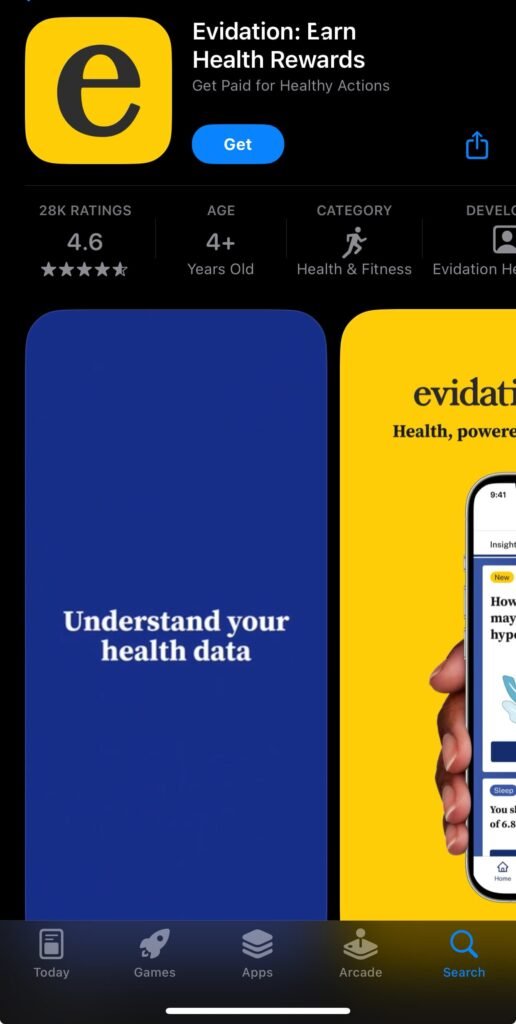
Evidation feels less like a “reward app” and more like a health research platform. You earn for walking, biking, running, and logging certain health behaviors. It’s slower than most, but more transparent and research-focused.
WeWard
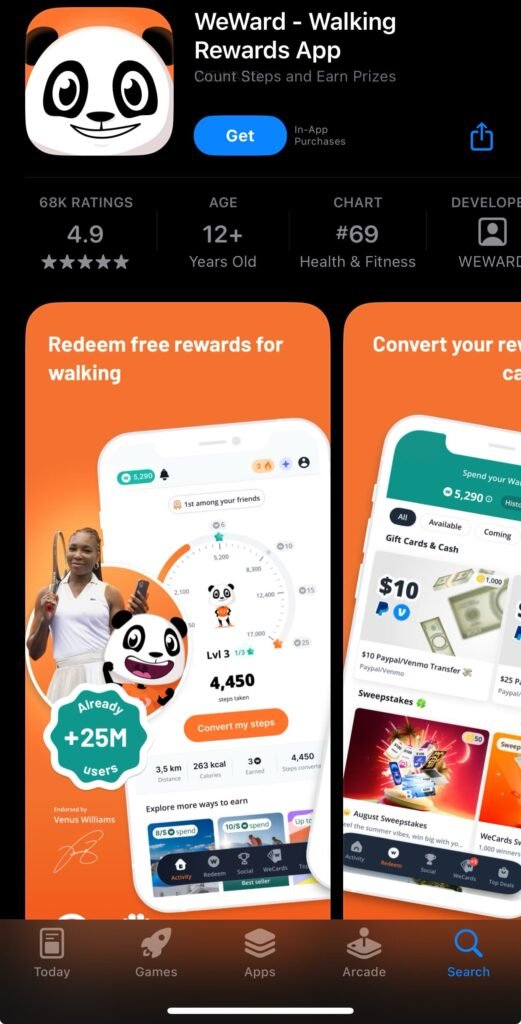
WeWard leans into gamification. It encourages exploration, challenges, and streaks. It’s more fun than most walking apps — but still slow in terms of actual earnings.
The pattern is the same across all of them: they’re better at encouraging movement than generating income.
The Real Frustrations With Walking Apps
If you’ve used these apps for a while, you’ve probably noticed a few things:
- You have to log in daily or you lose streaks or progress
- Ads interrupt almost every action
- Rewards slowly shift toward surveys and games
- Cashing out takes a long time
That’s why many people uninstall them after a few weeks.
Not because they’re fake — but because the effort-to-reward ratio starts to feel off. What initially feels “passive” begins to feel oddly demanding.
╰┈➤ Also Read: Best Survey Apps for 9-5 Workers (Worth Your Time)
Better Ways to Earn While Being Active
If your real goal is to earn money while moving your body, there are better ways to do it — ways that attach your movement to actual value creation.
Competitive Fitness Apps
These let you bet on yourself.
With apps like StepBet or HealthyWage, you’re not earning from ads or data — you’re earning from shared prize pools or personal goals. If you succeed, you get paid.
They work because motivation and money are directly connected.
Paid Walking & Physical Gigs
These pay real money because you’re providing a real service.
Walking dogs, delivering food by bike, helping people run errands, or offering walking tours — these activities create value for someone else. That’s why they pay more.
Rover — Get paid to walk dogs.
TaskRabbit — Help people move, clean, or run errands.
Food delivery (Uber Eats, DoorDash, Skip etc.) — Get paid to bike or walk deliveries.
Airbnb Experiences — Offer walking tours or local experiences.
They’re not passive. But they’re honest, transparent, and far more reliable if income is your goal.
So… Are Walking Reward Apps Worth It?
Walking reward apps make sense if:
- You want something passive and mildly fun
- Enjoy tracking and gamification
- And don’t mind slow, small rewards
They don’t make sense if:
- If you want meaningful income
- You dislike ads and surveys
- And expect quick or consistent payouts
The best way to think about walking apps is as bonus points, not income.
╰┈➤ Also Read: 25 Best Side Hustle Ideas for a 9-5 Worker
Final Thoughts
The idea of “getting paid to walk” isn’t a lie — it’s just oversold.
Walking apps pay a little because walking itself doesn’t create much economic value. Services, time, skills, and effort do.
If you want fun and motivation, use walking apps.
If you want money, attach your movement to something that helps someone else.
That’s where the real earning power is.