
Some physical products are easy to sell. Not because they’re trendy, or because you found a “secret” supplier, but because people already buy them without thinking too much. When they run out, they easily replace them or grab a backup.
That’s the kind of side hustle that actually fits real life.
Because the painful part of selling physical products isn’t listing them. It’s buying stock that sounded like a good idea… then watching it sit there while you keep telling yourself you’ll “push it harder” next week.
So in this post, I’m not going to drown you in theory or throw 50 random ideas at you. I’m going to share product types that tend to move consistently, and I’ll explain them the way a seller would explain them to a friend: what makes them sell, what usually goes wrong, and the easiest way to test them without overcommitting.
The Products That Sell On The Side Usually Sell For Boring Reasons
Here’s the quiet truth: the best side-hustle products are rarely “exciting.”
They sell because someone needs them.
A cable stops working. A screen protector cracks. A pet owner runs out of something and doesn’t want to wait. Someone decides their kitchen is a mess and wants it fixed by the weekend. Those are the moments where products move without you needing to be a marketing genius.
Keep that in mind as you read the list. You’re not hunting for a “winner.” You’re looking for product types that people already buy on autopilot.
High-Demand Physical Products Worth Selling (and why they keep moving)
1) Phone screen protectors
These are the definition of replacement demand. People crack them, peel them off, buy a new phone, or realize their screen is one accident away from pain.
What makes this one work is that the buyer already knows what they want—they’re not shopping for fun. They’re trying to avoid a cracked screen, and they want the “right one” fast.
The main mistake is trying to cover every phone model at once. That’s how sellers end up with a drawer full of mismatched inventory. Start with a small set of the most common models and only expand once you see repeat movement.
2) Fast-charging cables and wall chargers
Cables don’t just break. They disappear. People need one at home, one in the car, one at work, one in a travel bag—and somehow none of them are ever where they should be.
This sells because the purchase feels low-risk. Nobody spends a week “deciding” on a cable. They pick one, they want it quickly, and they move on.
The trap here is cheap quality. If it fails after a week, you’ll feel it in returns and reviews. The win is being clear about what the product is: the connector type, the length, and the power rating. Clarity alone reduces drama.
3) Car phone mounts
A mount is one of those products people buy, love, then eventually replace because it loosens, breaks, falls off, or doesn’t fit the next car.
It’s a consistent seller because it sits inside a daily habit: driving.
The only thing to watch is fit complaints—vent mounts vs dashboard mounts, suction vs adhesive, different vent styles. You don’t have to solve every car on earth. You just have to describe what yours works best for so buyers self-select correctly.
4) Bluetooth earbuds cases and accessories
Earbuds are everywhere now, and so are lost cases, broken tips, and replacement accessories.
This lane can move surprisingly well because the buyers are already attached to what they own. They aren’t shopping for a whole new set. They’re looking for a quick fix to keep using what they already like.
The simple approach is accessories that don’t require heavy explanation. The messy approach is trying to sell products with too many compatibility issues without naming them clearly.
5) Insulated tumblers/water bottles
This category sells for a simple reason: it becomes part of someone’s daily identity. People carry them to work, the gym, errands, and trips. They buy backups, they buy gifts, they buy a new one because their old one is scratched or just… not cute anymore.
The win here is packaging and positioning. A tumbler that arrives dented becomes a return. A tumbler that arrives clean, solid, and exactly as shown becomes a “this is perfect” purchase.
If you’re starting small, go for versions that are easy to ship and don’t require you to fight a price war. Bundles, limited designs, or clear use-cases often help.
6) Sticky hooks, wall clips, and small home organizers
These are the quiet heroes of everyday life. People move into a new place, reorganize a closet, finally decide the cables are driving them crazy, or want the bathroom to look less chaotic. They buy small organizers because they want a quick win.
These sell well because they’re cheap enough to feel easy, and useful enough to feel obvious.
The main “watch out” is adhesive quality. That’s the whole product. If it doesn’t stick, it’s a return. So pick quality and make sure you describe weight limits honestly.
7) Drawer organizers (kitchen, vanity, office)
This is the “I want my space to feel clean” purchase.
What’s nice about drawer organizers is that they don’t need persuasion. People already want order. You’re just giving them a simple tool to get it.
The one thing you must do well is sizing. If buyers can’t tell whether it fits their drawer, they’ll guess, and guessing creates returns. Clear dimensions and simple visuals reduce that.
8) Under-cabinet lights (easy install)
These products sell because they make a home feel upgraded without a renovation. People want better lighting for cooking, ambiance, workspace corners, or rentals where they can’t do permanent changes.
They also tend to sell because the result is instantly satisfying. Buyers imagine it, install it, and immediately feel the difference.
The best approach is to keep expectations clean—battery life, brightness, installation type. The fastest way to get returns is vague promises.
9) Acne patches
Acne patches move because they’re simple and low commitment. People don’t have to adopt a new skincare routine. They just want a quick fix they can try tonight.
This is a classic replenishment product. If it works, they buy again.
The “watch out” is not making wild claims. Keep it honest. People trust products that do what they say, not products that promise miracles.
10) Baby wipes (and similar replenishment essentials)
Some products sell because people don’t want to be without them.
Baby wipes are in that category. Parents restock them constantly, and even households without babies end up using wipes for quick cleanups.
The reality check is logistics: wipes are bulky. If you’re shipping them, costs matter. If you’re selling locally, they can move beautifully.
This is one of those products where the demand is strong, but the business model needs to fit your channel.
11) Pet essentials (especially repeat buys)
Pet owners don’t play about convenience. If something runs out, they replace it quickly because it affects daily life.
Even when you skip heavy items, there are plenty of pet products that sell steadily: basic grooming tools, lint removers, mess-control items, everyday accessories.
The only thing to watch is quality. Pet owners notice fast. If the tool feels flimsy, they return it. If it works, they reorder and recommend.
12) Ice packs / hot-cold therapy packs
People buy these when they’re already motivated: an injury, soreness, recovery, or home first-aid.
That urgency is why this category moves. It’s not “nice to have,” but it’s great because “it gives relief.”
The win is choosing reliable quality. Cheap packs that leak or don’t stay cold create instant regret. But a good one gets gratitude.
13) Pest control basics
Nobody wakes up excited to buy pest control. They buy it because they’re dealing with a problem and want it gone.
That makes demand feel “steady,” even though it’s often seasonal in certain regions. It’s also the kind of product people buy fast because the situation feels urgent.
Your job here is to keep it simple and mainstream. Avoid products that create shipping or restriction issues. Choose what’s easy to store, easy to explain, and legal to ship where you’re selling.
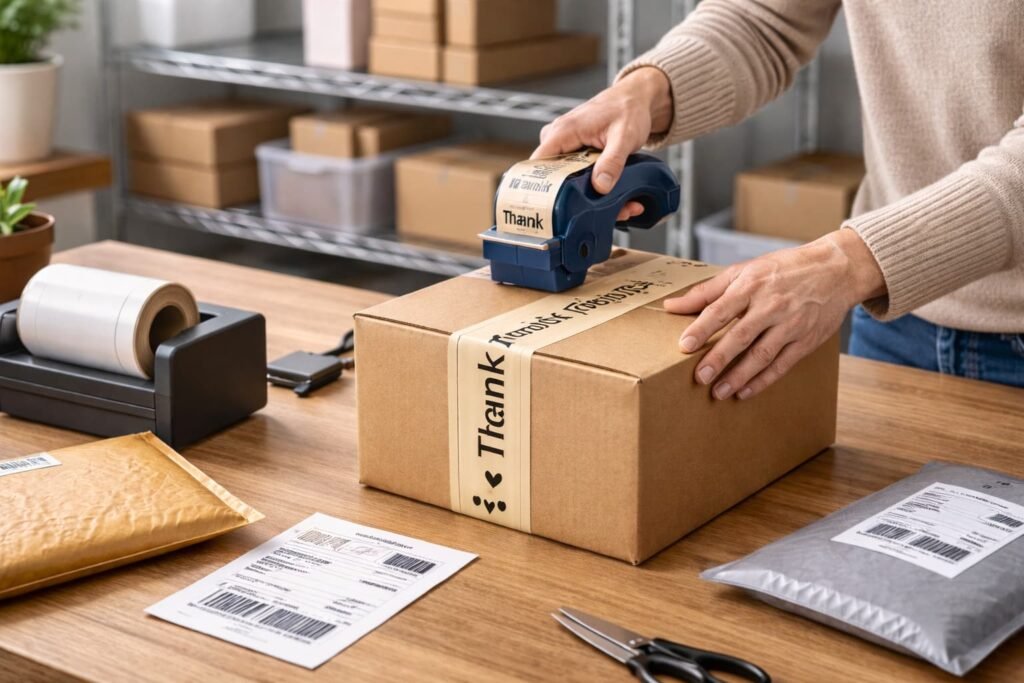
14) Packing and shipping supplies
This one is underrated because it’s boring.
But boring is fine when people buy it repeatedly.
Small businesses, resellers, and online sellers always need mailers, tape, bubble wrap, labels, and basic packing materials. And when they run low, they reorder quickly.
This works best when you can source it at a price that leaves margin. If you’re buying it at retail and trying to resell, you’ll feel the squeeze.
15) Fitness accessories that wear out
Resistance bands, grip pads, lifting straps—these are the kinds of items people replace because they stretch out, tear, or get lost.
They sell because they’re part of a habit. People who work out don’t want interruptions.
Again, quality matters. Cheap bands snapping is the kind of “one bad review” problem you want to avoid. But a solid product in this lane can bring repeat buyers.
How To Choose The Right High-Demand Physical Products
Here’s the simplest way to make a smart decision:
Pick something that matches your constraints.
If you don’t want storage issues, stay in the lane of small, durable items like cables, screen protectors, hooks, drawer organizers, acne patches, and small accessories.
If you can sell locally or you have space, bigger replenishment items can be great because demand is strong and repeatable. But you need a channel that makes the logistics worth it.
If you don’t want customer back-and-forth, avoid products that depend on personal preference or complex fit. The more “obvious” the product, the less you’ll spend your evenings replying to messages.
And then do the part most people skip: test small.
Not because you’re scared, but because it’s smart.
You’re trying to learn one thing first: does it move without drama?
If it does, you can scale. If it doesn’t, you pivot before you’ve sunk money into a mini warehouse of regret.
A Final Note That Will Save You Money
The internet loves to sell the idea that success comes from finding one magical product.
In real life, success usually comes from choosing a product type with predictable demand, keeping your offer clear, and staying consistent long enough to learn what your market responds to.
That’s why “boring products” often outperform “exciting products.” The boring ones don’t need convincing. They just need to be available, priced right, and presented clearly.
So if you’re stuck, don’t chase novelty.
Choose one these high-demand physical products from the list above that feels easy to handle, test it in a small way this week, and let real results guide your next move.
That’s how side hustles stop being theory—and start becoming income.